The Beatles & Tamla Motown
The Beatles and Tamla Motown. A re-release of the Tamla-based LP ‘Sound Of R&B Hits’ came out on Ace Records this week. The Beatles were always one of Motown’s earliest champions. Originally released in May 1964, the newly extended LP features 28 seminal tracks by The Miracles, The Marvelettes, The Supremes, Marvin Gaye and many more. At the time the album first came out (actually on the Stateside label – the Tamla label wasn’t a UK feature until 1965) the sound of Detroit’s Hitsville Recording Studios was considered strictly an ‘underground’ affair, known only to a small clique of British devotees of black music and R&B-hungry bands. Tamla’s first chart success came a month later, when Mary Wells’ version of Smokey Robinson’s song My Guy reached the UK No 5 spot. It was John Lennon’s favourite song of the time. The Beatles were one of the label’s first and most vocal public champions. The band’s second LP, With The Beatles, contained three covers from the Detroit stable – Money, Please Mr Postman and You Really Got a Hold On Me – and did much to arouse British record buyer’s interest in the label. Beatles press officer, Tony Barrow’s sleeve notes left no doubt about the groups’ ‘immense admiration’ for the Miracles and the Motown sound.
-
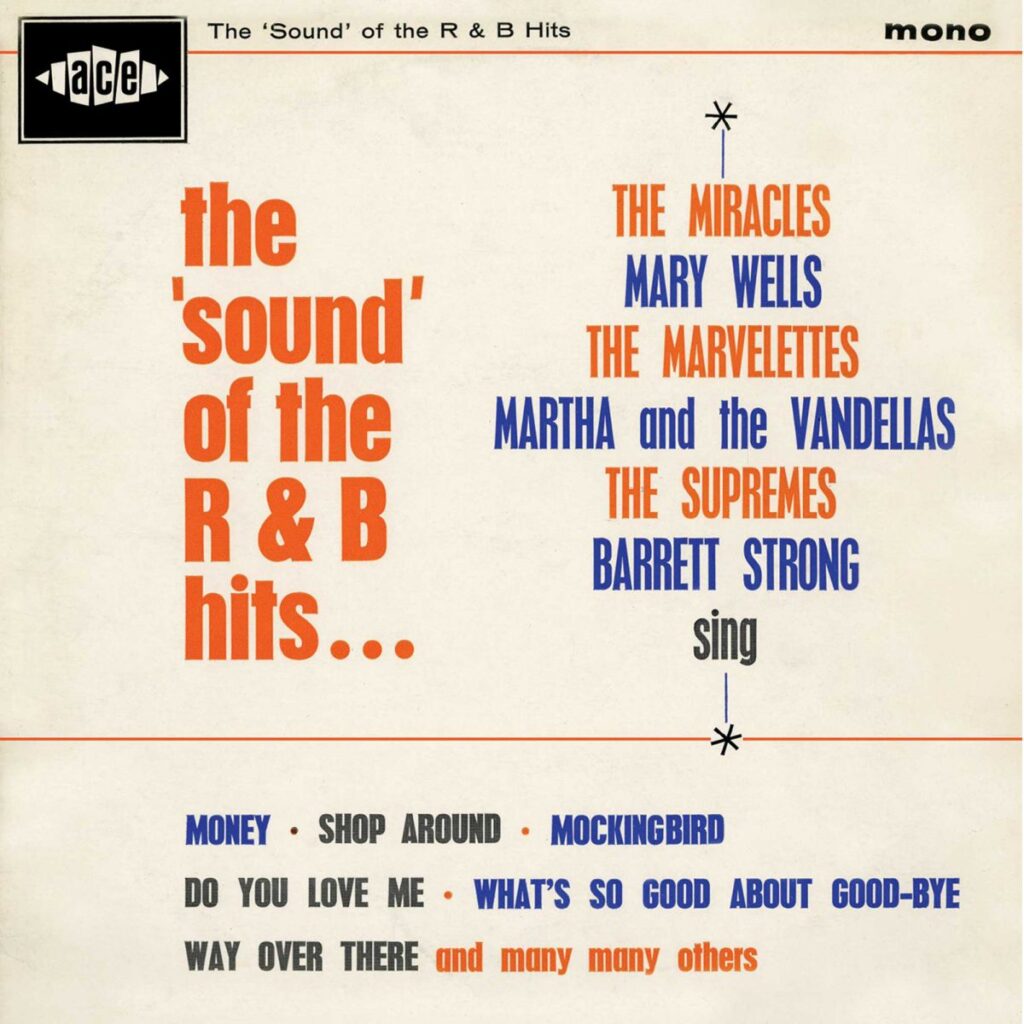
The ‘sound’ of the R&B Hits – CD cover -
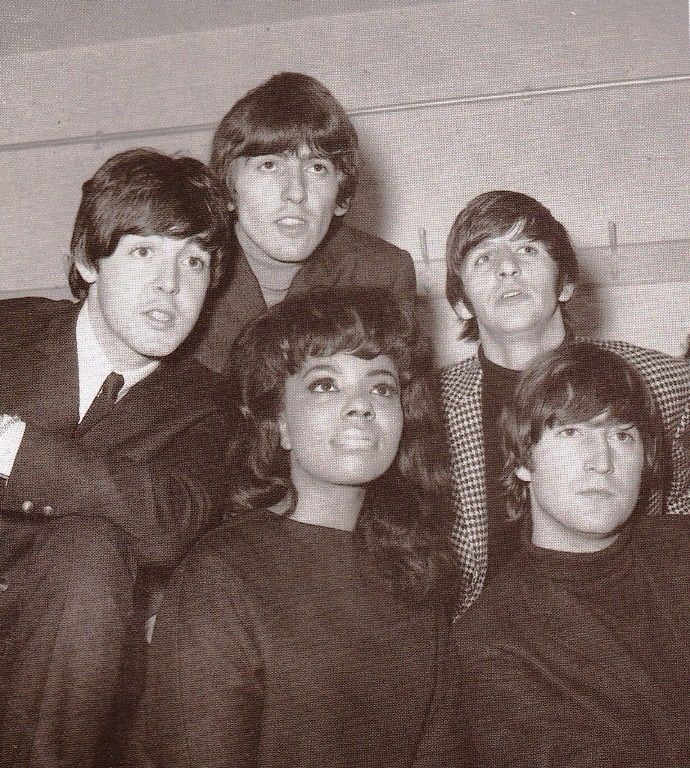
The Beatles with Mary Wells
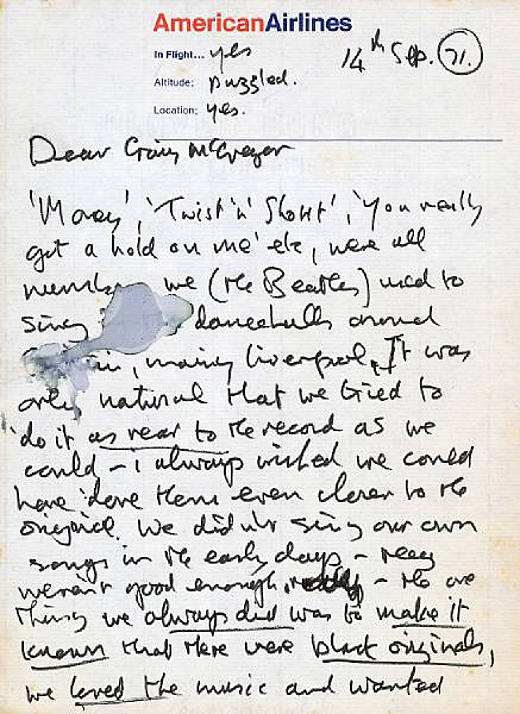
At every opportunity, in interview and on radio, each Beatles would spread the Tamla word. It’s an under-played fact, but in his book Tune In, Beatle historian Mark Lewisohn pinpoints the Beatles appearance on the BBC Light Programme show Teenager’s Turn in March 1962, where they performed Please Mr Postman, as the first ever UK broadcast of a Tamla song. Amongst others, The Beatles, along with super-fan Dusty Springfield, the Rolling Stones and ITV’s Ready Steady Go! did much to promote the label’s artists and by late 1964, Tamla’s acts would be regular chartbusters of the UK’s Hit Parade. In June 1970, two months after the announcement of the Beatles’ break-up, a New York Times review of the Beatle’s Let It Be (by journalist Craig McGregor) was, to say the least, scathing and dismissive. McGregor used the platform to go critically further and accuse the band of exploiting black music in their early years. Lennon’s furious reply to McGregor’s opinion-piece didn’t come until over a year later. Having recently emigrated to the States, Lennon’s September ’71 riposte was passionate and heartfelt, making his feelings about the article’s accusations abundantly clear: ‘We didn’t sing our own songs in the early days – they weren’t good enough – the one thing we always did* was to make it known that they (the Beatles cover versions) were black originals, we loved the music and wanted to spread it in any way we could… many kids were turned on to black music by us. It wasn’t a rip off – it was a love in.’ (*Lennon’s underlined emphasis). One in the eye for Mr McGregor then.
The last word goes to Smokey Robinson, ‘They were the first huge white act to come out in public, in the press, and say, ‘Hey, we grew up with black music. We love this. Motown! What greater endorsement can you get.’
Watch the interview here:
Listen to the Ace Records podcast about the album’s release:
Written by André Barreau